SCoPE - BCcampus Learning + Teaching
transfor45
Understanding Power Transformers and Current Transformers: A Complete Guide

In the world of electrical engineering, transformers play a pivotal role in ensuring the efficient transmission and distribution of electrical energy. Whether you are an electrical engineering student, a professional, or someone passionate about power systems, understanding power transformer and current transformers is essential. This guide provides expert insights into their design, operation, maintenance, and best practices.
What is a Power Transformer?
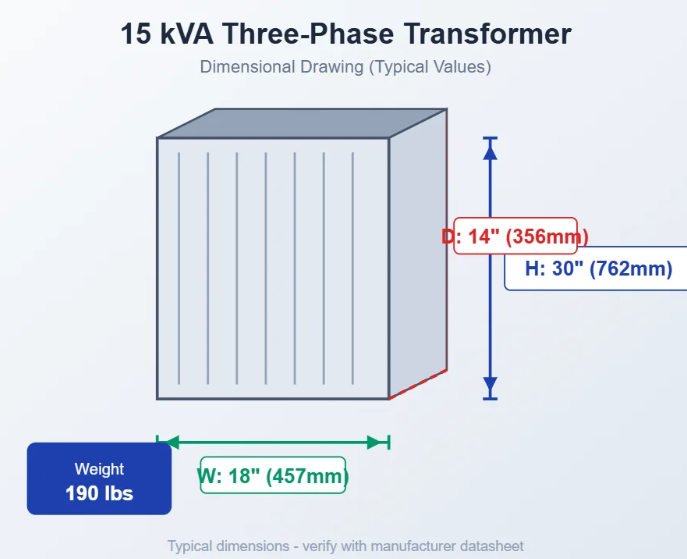
A power transformer is a static electrical device that transfers electrical energy between two or more circuits through electromagnetic induction. Its primary purpose is to step up or step down voltage levels in power transmission and distribution systems, ensuring safe and efficient electricity flow from power plants to end users.
Key Features of Power Transformers:
Voltage Regulation: Maintains a stable voltage across the system.
High Efficiency: Minimizes energy losses during transmission.
Durability: Designed to operate under high voltage and load conditions for long durations.
Cooling Systems: Oil or air cooling mechanisms to prevent overheating.
Power transformers are commonly found in substations and industrial applications, serving as the backbone of modern electrical networks.
What is a Current Transformer?
A current transformer (CT) is a type of instrument transformer designed to reduce high current to a lower, manageable level for measurement, monitoring, and protection purposes. Unlike power transformers, CTs are not meant for energy transmission but for accurate current measurement and safe operation of metering devices.
Benefits of Using Current Transformers:
Safety: Isolates measuring instruments from high currents.
Accuracy: Provides precise current readings for monitoring systems.
Protection: Works with protective relays to safeguard electrical equipment.
Versatility: Suitable for both AC and DC systems depending on design.
Current transformers are integral in electrical systems for both residential and industrial setups, ensuring operational safety and system reliability.
Maintenance Tips for Transformers
Maintaining transformers is essential for long-term efficiency and safety. Here are some expert-recommended practices:
Regular Inspection: Check for oil leaks, rust, or physical damage.
Oil Testing: Ensure insulating oil is clean and has the right dielectric strength.
Temperature Monitoring: Avoid overheating by checking cooling systems.
Load Management: Prevent overloading to reduce wear and tear.
Cleaning: Keep the transformer free from dust and debris to maintain efficiency.
Conclusion
Transformers, whether power transformers or current transformer are the lifelines of electrical networks. By understanding their design, functions, and maintenance requirements, electrical engineers and enthusiasts can enhance system reliability and operational safety.