SCoPE - BCcampus Learning + Teaching
ESL
Advances in Touch Sensitivity for Flexible Monitors
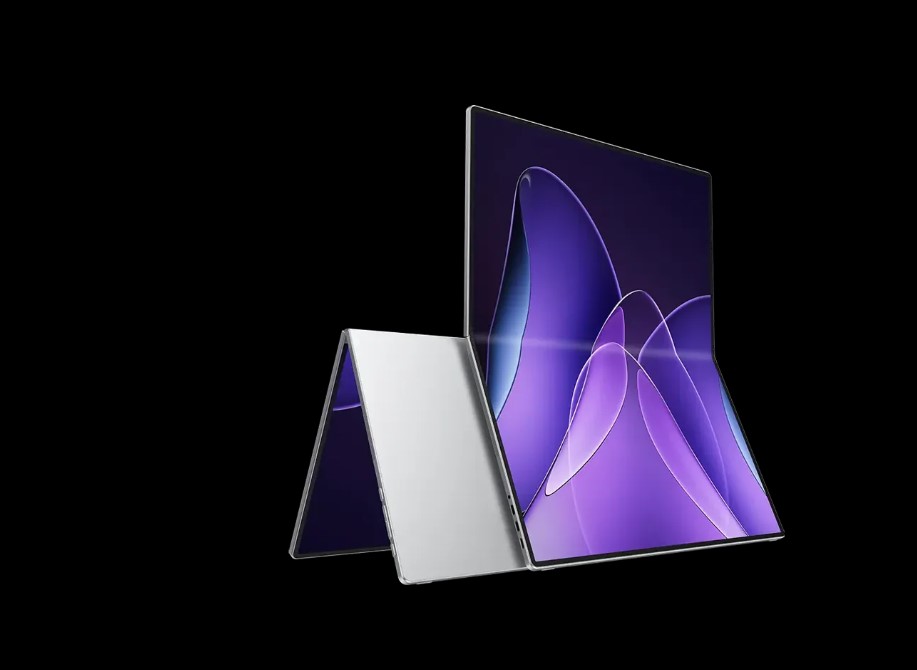
The display industry is undergoing a transformative shift as flexible screen technology matures. Once limited to concept devices, flexible monitors are now entering the mainstream, driven by breakthroughs in materials science, touch sensitivity, and OLED engineering. As users demand lighter, more adaptable screens for work, gaming, and creativity, innovations in touch responsiveness are redefining what a modern monitor can be. This evolution is particularly evident in the rise of the bendable display, high-performance OLED 120Hz monitor, and next-generation Portable Monitors.
The Rise of Flexible and Bendable Displays
Flexible displays differ fundamentally from traditional rigid panels. Instead of glass substrates, they rely on ultra-thin polymers that allow screens to bend, fold, or curve without damage. A OLED 120Hz monitor enables users to adjust viewing angles, improve ergonomics, and enhance immersion features especially valuable for mobile professionals and gamers.
However, flexibility introduces a technical challenge: maintaining accurate and responsive touch input across a surface that can physically deform. Early flexible screens struggled with uneven touch detection and reduced precision. Recent advances have addressed these issues through improved sensor architectures and smarter signal processing.
Touch Sensitivity: The Core Innovation
Touch sensitivity is no longer just about detecting taps. Modern flexible monitors must recognize gestures, pressure variations, and multi-touch inputs with the same reliability as rigid screens. Engineers have achieved this by developing flexible capacitive touch layers that move seamlessly with the panel. New nano-metal mesh and silver nanowire technologies replace brittle indium tin oxide (ITO), allowing the touch layer to stretch and bend without losing conductivity. These materials ensure consistent responsiveness even when the monitor is curved or folded, making them ideal for both stationary and Portable Monitors.
OLED Technology and High Refresh Rates
The emergence of the OLED 120Hz monitor represents a major leap forward. High refresh rates significantly improve motion clarity, reduce input lag, and enhance touch responsiveness. When combined with OLED’s fast pixel response times, touch interactions feel immediate and fluid-an essential factor for creative professionals, gamers, and multitaskers. For flexible and portable applications, OLED also offers superior power efficiency and contrast. These advantages are critical for Portable Monitors, where battery life and visual quality must coexist without compromise.
Touch Performance in Portable Monitors
As remote work and digital nomad lifestyles expand, Portable Monitors are becoming essential productivity tools. Touch-enabled portable displays allow users to sketch, annotate, swipe, and interact directly with content, reducing dependence on external peripherals.
Recent advances ensure that touch sensitivity remains consistent even in ultra-thin and lightweight designs. Lamination techniques have improved, reducing the gap between the touch layer and the display panel. This creates a more natural, paper-like interaction and enhances precision especially important for stylus input and creative workflows.
Smart Touch and AI Integration
Another key advancement is the integration of intelligent touch algorithms. AI-driven touch processing can distinguish between intentional input and accidental contact, such as palm rejection when drawing or typing. This is particularly valuable on a bendable display, where grip positions may vary.
Smart touch systems can also adapt sensitivity levels based on usage scenarios. For example, a monitor can increase touch precision for detailed design work or optimize responsiveness for gaming and fast navigation. These adaptive features elevate the overall user experience and highlight the growing synergy between hardware innovation and software intelligence.
Applications Across Industries
Improved touch sensitivity in flexible monitors opens new possibilities across multiple sectors:
- Creative professionals benefit from natural drawing and editing on OLED touch displays.
- Business users enjoy more interactive presentations and efficient multitasking.
- Gamers experience smoother, faster input on high-refresh-rate OLED screens.
- Mobile users gain lightweight, durable, and responsive Portable Monitors for work on the go.
As touch performance becomes more refined, flexible monitors are transitioning from novelty products to essential tools.
The Future of Touch-Enabled Flexible Monitors
Looking ahead, the convergence of bendable displays, OLED technology, and advanced touch sensitivity will continue to reshape the monitor market. We can expect even thinner panels, higher refresh rates, and more intelligent touch systems that adapt seamlessly to user behavior. For consumers, this means monitors that are not only visually stunning but also intuitive, portable, and versatile. Whether it’s a foldable workstation, an OLED 120Hz monitor for immersive entertainment, or a travel-friendly secondary screen, touch-enabled flexible displays represent the future of visual interaction.
Conclusion
Advances in touch sensitivity are unlocking the full potential of flexible monitors. By combining durable touch materials, OLED performance, and intelligent processing, manufacturers are delivering displays that adapt to modern lifestyles. As bendable display technology and Portable Monitors continue to evolve, touch interaction will remain at the heart of innovation bridging the gap between form, function, and freedom.